
Hurt in a Car Accident or
Motorcycle Crash? Lost a Loved
One in a Wrongful Death?
Florida Spinal Cord Stimulator Lawsuit Lawyers
Representing People Injured in Florida and Nationwide
Spinal cord stimulators are implanted to relieve chronic pain. For some patients, however, these devices have created an entirely new medical crisis—including electrical shocks, burns, worsening pain, infection, loss of function, device migration, and additional surgeries to revise or remove the implant.
Patients across the United States are filing spinal cord stimulator lawsuits against Boston Scientific and other manufacturers. These lawsuits allege that certain devices were defectively designed or manufactured and that patients and physicians were not adequately warned about the risks.
If your spinal cord stimulator malfunctioned, moved, overheated, delivered painful electrical stimulation, or required revision or removal surgery, you may have grounds to pursue a product liability claim.
The Florida spinal cord stimulator injury lawyers at Whittel & Melton are reviewing claims involving Boston Scientific, Abbott, Nevro, and Medtronic devices in Florida and nationwide to advise our clients on how to proceed after they have been injured by these devices.
Call 866-608-5529 for a free and confidential consultation.
What Is a Spinal Cord Stimulator?
A spinal cord stimulator, also known as an SCS device or neurostimulator, is implanted to help manage chronic pain. The system generally includes a battery-powered generator, thin wires called leads placed near the spinal cord, and a handheld controller.
The generator delivers electrical impulses through the leads. These impulses are intended to interfere with pain signals before they reach the brain. Spinal cord stimulation does not correct the condition causing the pain; it attempts to change how the patient experiences it.
Many patients first undergo a temporary trial. If that trial provides relief, the physician may recommend permanent implantation. Some patients report that their permanent device failed to provide comparable relief or caused complications they did not experience during the trial.
Why Are Spinal Cord Stimulator Lawsuits Being Filed?
Current lawsuits allege that certain spinal cord stimulation systems were unsafe and that manufacturers failed to provide adequate warnings about potentially serious complications.
Depending on the device and circumstances, allegations may involve:
- Defective design or manufacturing;
- Lead migration, breakage, or detachment;
- Battery or generator failure;
- Painful or unintended electrical stimulation;
- Inadequately tested device modifications;
- Failure to disclose known risks; or
- Inadequate safety instructions and warnings.
These remain allegations in pending civil cases. Each potential claim must be evaluated based on the particular device, medical evidence, injuries, and applicable law.
Reported Complications
Problems reported in connection with spinal cord stimulators include:
- Painful electrical shocks or jolts;
- Burning or overheating near the implant;
- Stimulation in unintended areas;
- New or worsening nerve pain;
- Numbness, weakness, or difficulty walking;
- Lead migration, fracture, or failure;
- Battery or generator malfunction;
- Infection at the implant or surgical site;
- Loss of bowel or bladder control;
- Failure to provide meaningful pain relief; and
- The need for revision, replacement, or removal surgery.
The FDA’s medical-device database contains adverse-event reports involving serious spinal cord stimulator injuries. The FDA has also announced recalls involving certain spinal cord stimulation systems and components. An adverse-event report does not establish that a device caused an injury, but it can identify possible safety concerns that require further investigation.
Removal and Revision Surgery
Many spinal cord stimulator injury lawsuits involve patients who required additional surgery. A revision may be necessary to reposition migrated leads, replace failed components, treat an infection, or correct another problem. In other cases, the entire system must be removed in a procedure known as an explant.
Revision and explant procedures can result in additional pain, scarring, medical expenses, time away from work, and further surgical risks. Some patients have reportedly undergone multiple procedures without obtaining meaningful pain relief.
If your device was removed, preserve the explanted device and its components when possible. Do not authorize their destruction or return them to the manufacturer before discussing your claim with an attorney.
Boston Scientific Spinal Cord Stimulator MDL 3181
On June 5, 2026, the U.S. Judicial Panel on Multidistrict Litigation centralized federal product liability lawsuits involving Boston Scientific spinal cord stimulators in the Central District of California.
The proceeding, entiteld In re: Boston Scientific Corporation Spinal Cord Stimulator Products Liability Litigation, MDL No. 3181, is assigned to U.S. District Judge Josephine L. Staton.
MDL 3181 applies only to Boston Scientific claims. It is not an industry-wide spinal cord stimulator lawsuit. Separate requests to centralize federal claims involving Abbott and Nevro devices remain pending as of September 2026. Medtronic claims are not included in MDL 3181.
An MDL is not a class action. Each patient retains an individual lawsuit and must prove that person’s injuries and damages. Patients are not automatically included merely because they received a Boston Scientific device.
Do I Qualify to File a Spinal Cord Stimulator Lawsuit?
You may have a potential claim if your implanted spinal cord stimulator malfunctioned, caused serious or unexpected complications, or required revision or removal surgery.
Important evidence may include:
- Your implant identification card;
- The device manufacturer, model, and serial number;
- Implantation, revision, and removal records;
- Imaging showing lead placement or migration;
- Device-programming records;
- Photographs of burns, wounds, or swelling; and
- Medical bills and lost-income documentation.
The deadline for filing a defective medical-device lawsuit varies by state and may begin before the device is removed. Waiting for the federal litigation to develop does not protect your right to file a claim.
What Types of Compensation Can You Pursue?
Depending on the case, compensation may be available for medical expenses, revision or removal procedures, lost income, reduced earning capacity, pain and suffering, disability, emotional distress, and wrongful-death damages.
No settlement or recovery can be guaranteed. The value of a spinal cord stimulator lawsuit depends on the nature and permanence of the injuries, available medical evidence, economic losses, and applicable law.
Speak With a Florida Spinal Cord Stimulator Lawsuit Lawyer TODAY
Whittel & Melton represents injured people throughout Florida and is reviewing spinal cord stimulator claims nationwide. We can identify your device, obtain relevant records, evaluate filing deadlines, and determine whether your claim may proceed in MDL 3181 or another court. Then, we work with our nationwide partners to get you the compensation you deserve for your injuries, no matter where you reside.
Call 866-608-5529 or contact Whittel & Melton online for a free, confidential consultation today.












Visit Us
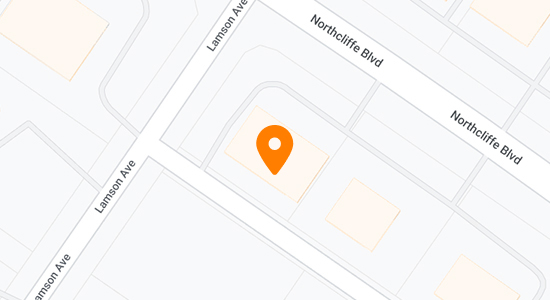
Main Office
11026 Northcliffe Blvd
Spring Hill, FL 34608